
The Rise of Responsible Nature Travel: How adventure seekers are now protecting the wild
There was a time when adventure travel was defined by one thing: adrenaline.
The more dangerous, higher, faster, deeper, and more remote, the better. But something is changing. Across mountains, jungles, oceans, and deserts, a new kind of explorer is emerging, one who seeks not just the thrill of the unknown, but a deeper connection with our natural world.
Welcome to the era of responsible nature travel, where the journey is just as much about protecting the wild as it is about experiencing it.
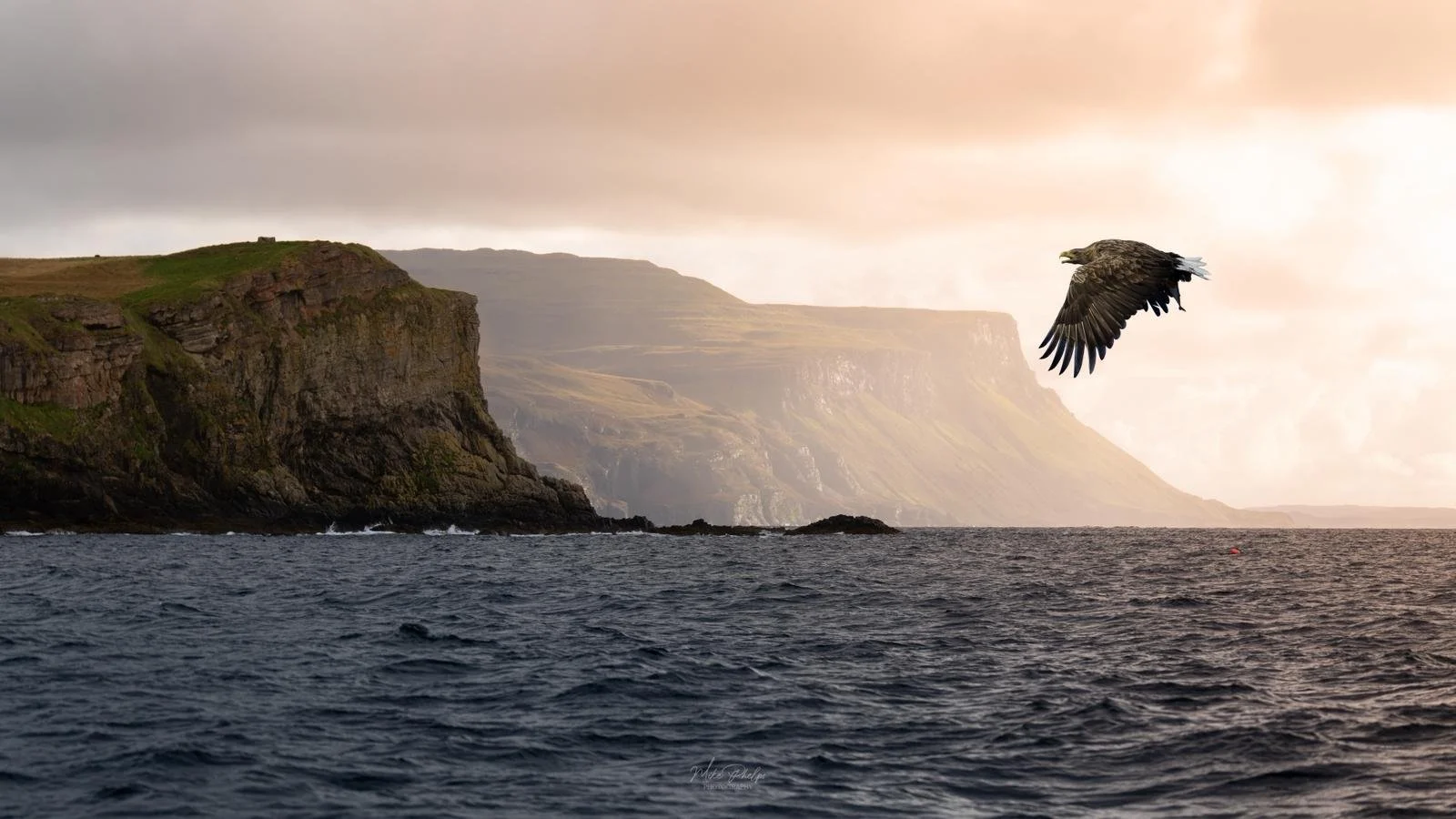
A New Kind of Adventure Traveler
Today’s adventurers seem to be asking different questions before they book a trip:
Will this experience harm wildlife or habitats?
Does this company support local communities?
How can I explore without leaving a trace?
How do I give back?
This shift isn’t a niche trend, it’s becoming the new standard. Travellers are more informed than ever, and they want their adventures to reflect their values. According to recent tourism insights, demand for eco-friendly nature travel and sustainable tourism experiences is growing rapidly, from both younger and more experienced explorers.
But this isn’t about sacrificing excitement. In fact, many travellers are discovering that responsible travel actually leads to more meaningful, immersive, and unforgettable experiences.
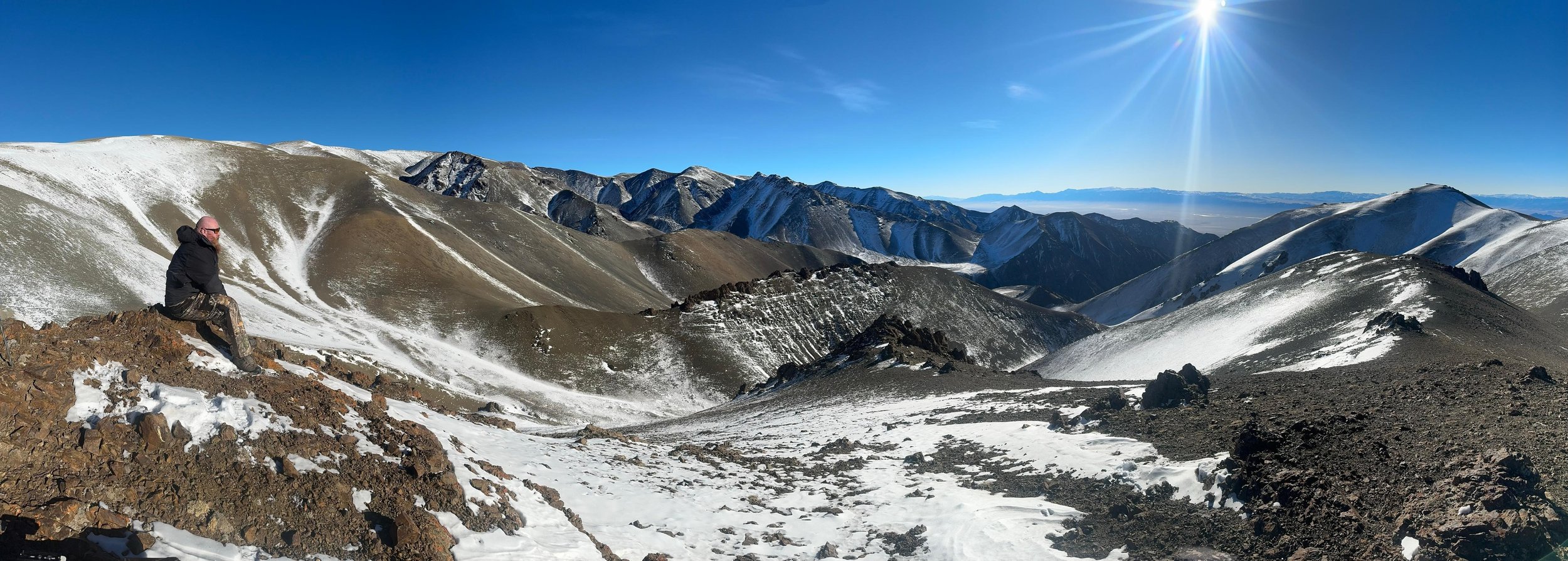
Why Responsible Travel Matters More Than Ever
The world’s most breathtaking destinations are also it’s most fragile.
From coral reefs threatened by climate change to wildlife habitats under pressure from human activity, the places we love to explore are increasingly at risk. Irresponsible tourism however unintentional, can accelerate this damage.
Responsible adventure travel flips that narrative. Instead of being part of the problem, travellers become part of the solution.
This means:
Respecting wildlife and observing from a safe distance
Supporting conservation initiatives
Minimizing environmental impact
Choosing ethical tour operators
When done correctly, nature travel can actively contribute to conservation efforts, fund local projects, and help preserve ecosystems for future generations.
What Responsible Adventure Looks Like in Practice
So what does this actually look like on the ground?
Imagine trekking through a remote mountain ranges with a local guide who grew up in the region, someone who not only knows the terrain but also shares stories about the ecosystem, its challenges, and its cultural significance.
Or picture a wildlife safari where the focus isn’t on getting the closest possible shot, but on observing natural behaviour without interference, where patience is rewarded with authentic, unscripted moments, shared with no-one other than the others on your vehicle.
These experiences don’t feel restricted, they feel richer. More real. More connected.

The Power of Seeing Without Taking
For many adventurers, especially photographers, there is a powerful lesson in restraint.
The best wildlife encounters often happen when you step back, stay quiet, and let nature come to you. It’s about capturing moments without forcing them. Observing without interrupting.
This approach doesn’t just protect wildlife, it transforms how you experience it. You become more present. More aware. More attuned to the environment around you.
And often, those are the moments that stay with you the longest.
Supporting Local Communities
Responsible adventure travel isn’t just about the environment, it is also about people.
Choosing locally run experiences, hiring regional guides, and staying in community-based and locally owned independent accommodation ensures that tourism benefits those who call these places home.
This creates a positive cycle:
Local communities gain sustainable income
Cultural traditions are preserved
Natural areas are protected because they hold long-term value
In many cases, these communities are the strongest advocates for conservation, because their livelihoods depend on it.

How to Travel More Responsibly
If you’re ready to embrace this new era of adventure, here are a few practical ways to start:
1. Choose Ethical Operators
Look for companies that prioritise sustainability, have clear environmental policies, and support conservation initiatives.
2. Respect Wildlife
Keep a safe distance and never interfere with natural behaviours.
3. Leave No Trace
Carry out everything you bring in, stick to designated paths, and minimise waste.
4. Travel with Purpose
Seek experiences that educate, connect, and contribute, not just entertain.
5. Pack Smart
Opt for reusable gear, eco-friendly products, and minimal packaging.
The Future of Adventure Travel
Adventure travel isn’t slowing down, it’s evolving.
The future belongs to those who want more than just a checklist of destinations. It belongs to travellers who want to feel and experience something real, to protect what they explore. To leave places better than they found them.
Responsible adventure travel proves that you don’t have to choose between thrill and thoughtfulness. You can have both and in doing so, you become more than just a traveller.
You contribute to the future of our wild places.